Hydronic Radiant Floor Heating for Western Kentucky Homes
Warm floors, no ductwork, lower energy bills. Stinson Plumbing installs and services radiant heat systems across Marshall and Graves County.

Forced-air furnaces push warm air through ducts, and a good share of it ends up at the ceiling where nobody is standing.
Radiant floor heat works the opposite way.
Warm water circulates through tubing under the floor and heats the room from the ground up. Your feet stay warm, the air temperature stays even, and there is no blower noise and no dust blowing around.
We install hydronic radiant systems in new construction, additions, basement finishes and major remodels. We also repair and maintain existing systems across our service area, so whether you are building from scratch or nursing an old system along, we can help.
How hydronic radiant heat works
A boiler heats water to roughly 100 to 120 degrees. A pump circulates that water through PEX tubing embedded in or under the floor. The tubing radiates heat into the floor surface, which warms the room by contact and the gentle rise of warm air. A thermostat and a mixing valve control the temperature for each zone, so the system delivers steady, even heat instead of the surge-and-stop cycle of a furnace.
The system is quiet.
There are no registers and no ducts to clean. Each room or zone heats independently, so you are not paying to heat a guest bedroom when nobody is in it. Once it is dialed in, a radiant system mostly just runs in the background and keeps the house comfortable.
Where radiant heat makes sense
New builds on slab. Tubing goes in before the concrete pour, which is the cheapest time to install. We coordinate with your GC during the rough-in phase.
Basement finishes. Concrete slabs hold heat well. Radiant tubing in a thin-set layer under tile or engineered hardwood turns a cold basement into livable space.
Additions and sunrooms. No need to extend existing ductwork. The radiant system heats the new space on its own.
Pole barns and workshops. Slab-on-grade radiant heat keeps a shop floor warm without overhead heaters fighting the cold from the ground.
Bathroom and kitchen remodels. Electric radiant mats work under tile for spot heating, while a hydronic loop covers larger areas more efficiently. See bathroom remodeling for the rest of that scope.
Radiant heat versus forced air
Efficiency. Radiant systems run at lower water temperatures and lose less energy than ductwork. Most homeowners see lower heating bills.
Comfort. Even heat with no cold spots near windows and no hot blasts from registers. The floor itself is the radiator.
Air quality. No ductwork means no dust, allergens or pet hair getting pushed through the house.
Noise. Quiet operation. The pump and boiler sit in the mechanical room, so the living space stays silent.
Maintenance. Fewer moving parts than a furnace. Annual boiler service and occasional pressure checks keep it running for years.
Electric mats or full hydronic
There are two ways to put heat in a floor, and the right one depends on the area.
Electric radiant mats are simple and a good fit for warming a single bathroom or kitchen floor under tile, where the goal is comfort underfoot rather than heating the whole room.
A full hydronic system, with a boiler and circulating water, is the efficient choice once you are heating larger areas or a whole house.
We will look at the space and tell you which one actually fits, rather than selling more system than the room needs.
Flooring and how it affects heat
The floor over the tubing matters as much as the system under it.
Tile, stone, polished concrete and engineered hardwood conduct heat well and let the room warm quickly.
Solid hardwood and thick carpet act as insulation and slow the system down, so they take longer to heat and cost more to run.
None of that rules a floor out, but it changes how the system is designed. We talk through flooring during the estimate so the heat and the finish work together instead of fighting each other.
Zoning and controls
One of the real advantages of radiant heat is control.
The house can be split into zones, each with its own thermostat, so the bedrooms, the main living area and a finished basement all run at the temperature that suits them. That keeps you from heating space nobody is using and lets everyone set their own comfort. We set up the manifold, the mixing valve and the controls so the zones do what you expect.
What installation looks like
The install depends on where it goes.
In a new build on a slab, the tubing is laid out and secured before the concrete is poured, which is by far the cheapest and cleanest way to do it, and the timing has to line up with the rest of the rough-in.
In a basement finish or a remodel, the tubing can go into a thin-set layer over an existing slab or be stapled up under the subfloor from a crawlspace, depending on the home.
Either way the work runs from the floor loops back to a manifold, then to the boiler, the pump and the controls in the mechanical room.
We plan the whole path before anything gets buried, because the loops in the floor are not something you want to reach again once the finish goes down.
Maintenance and service
A radiant system is low-maintenance, not no-maintenance.
An annual look at the boiler, a check on system pressure and a glance at the pump and mixing valve keep small issues from becoming a cold house in January.
We service the systems we install and existing systems other companies put in, so if your floor heat has gotten weak or uneven, we can find out why.
Aging supply connections feeding the system are worth a look too while we are in the mechanical room, since a weeping fitting or a tired valve is far cheaper to handle during a service visit than after it has dripped onto the floor for a season.
Serving Benton, Paducah and nearby
We install and service radiant heat across western Kentucky, including Benton and Marshall County, Mayfield and Graves County and over to Owensboro and Hopkinsville, plus the surrounding communities and lake-area homes where a warm floor makes a real difference through a damp western Kentucky winter, especially in basements and additions that the main furnace never quite reaches.
Our work
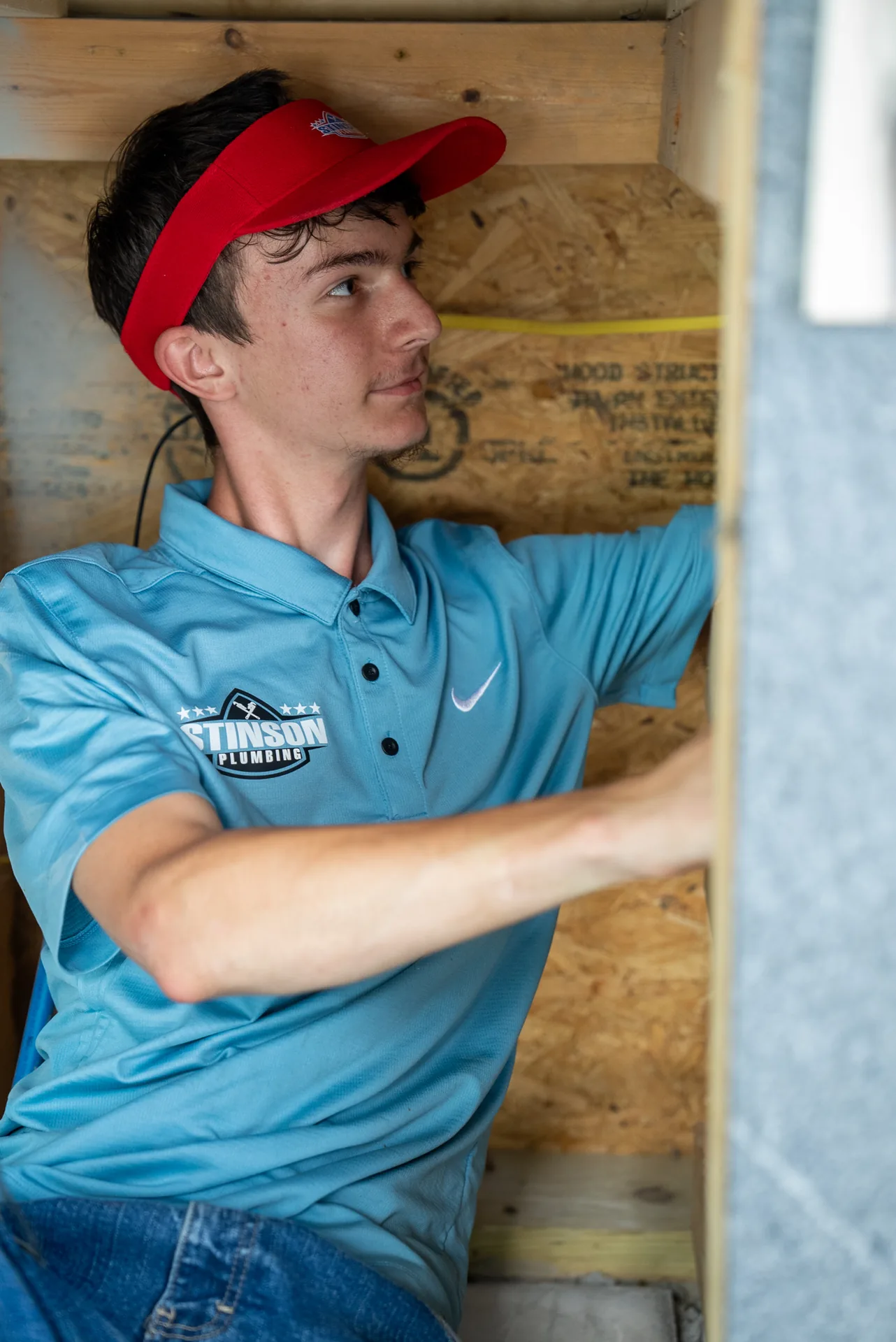
Our crew at work


Good to know
Radiant Heat Questions
Can you add radiant heat to an existing home?
Yes, but it depends on the floor structure. Slab-on-grade homes work best with a thin-set overlay. Homes with crawlspaces can have tubing stapled under the subfloor. We evaluate each house individually.
What flooring works with radiant heat?
Tile, stone, polished concrete and engineered hardwood conduct heat best. Solid hardwood and thick carpet act as insulation and reduce performance. We will advise on flooring choices during the estimate.
Does radiant heat replace my furnace?
It can be the sole heat source in a well-insulated home. Older homes with poor insulation may need supplemental heat in extreme cold. We size the system based on your actual heat loss, not guesswork.
Is radiant heat expensive to run?
Radiant systems run at lower water temperatures and lose less energy than ducted heat, so most homeowners see lower bills. The exact savings depend on insulation, flooring and fuel, which we factor into the design.
How long does a radiant system last?
The tubing in the floor is built to last for decades, and the boiler and pump are the parts that need periodic service. With an annual boiler check and occasional pressure checks, a well-installed system runs a long time.
Need a plumber you can count on?
Thinking about radiant heat? Call (270) 356-1204 or request an estimate online. We will walk your site, size the system and give you a flat price for the work rather than an open-ended hourly meter.
Benton, Paducah, Mayfield, Owensboro & Western Kentucky